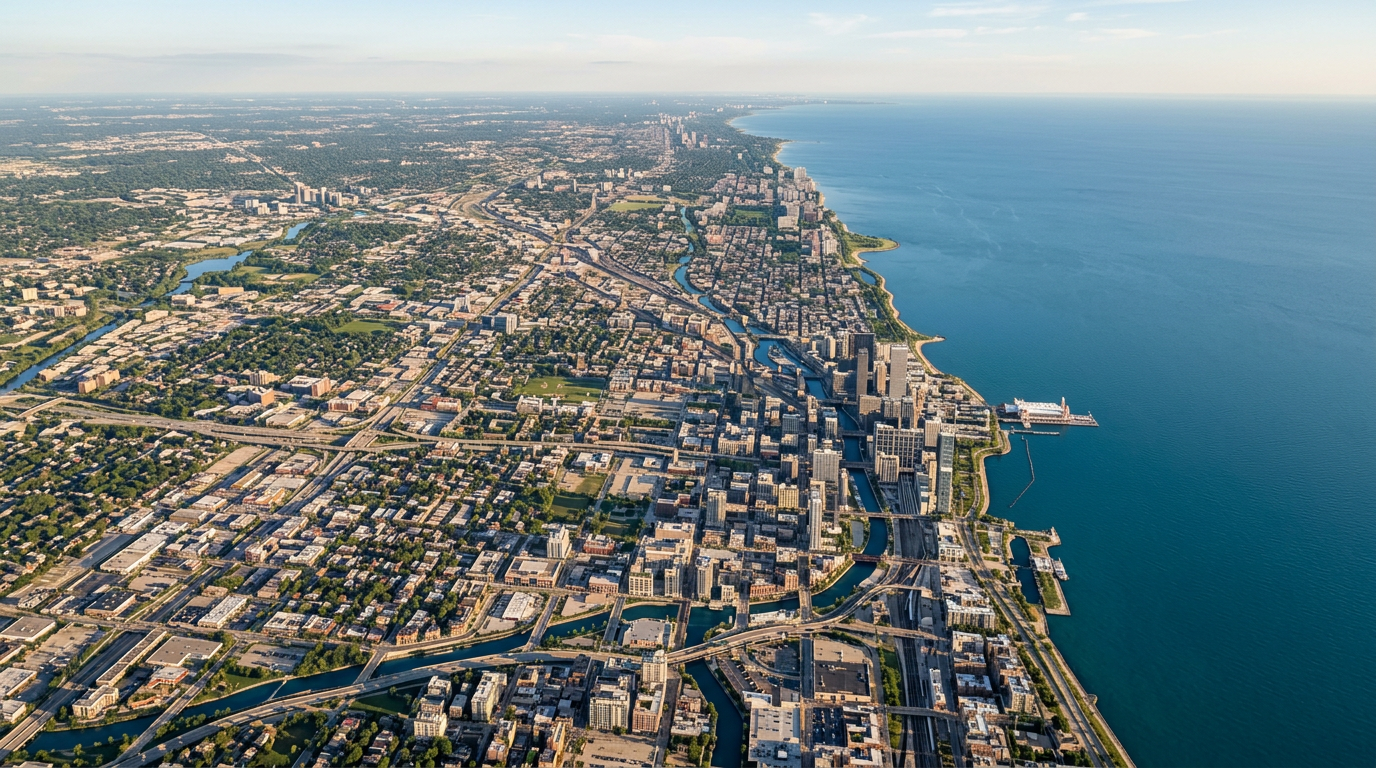
The Chicago-Naperville area is a sprawling metropolitan region anchored by one of the Midwest's great cities and set along the southwestern shore of Lake Michigan. The landscape is largely flat, shaped by the lakefront, the Chicago River, and a grid of streets and rail lines that connect dense city neighborhoods to suburbs and open country beyond. Rather than a single place, it's a collection of distinct communities, from high-rise downtown districts and tree-lined city blocks to older railroad suburbs, newer planned developments, and quieter edges where farmland begins.
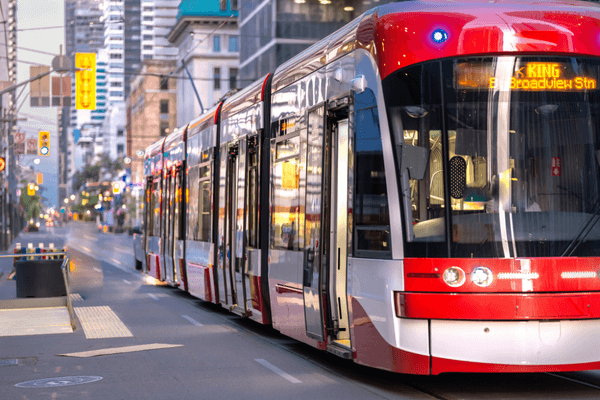
Housing reflects that range: city condominiums and lofts, brick two-flats and bungalows, historic homes in established suburbs, and larger single-family lots farther out. Residents have access to lakefront paths, forest preserves, and neighborhood parks, along with a deep mix of dining, shopping, arts, and professional sports. Schools vary widely across the region, including private options such as The Chicago Academy for the Arts and The Goddard School of Chicago - River West. Commuter rail, public transit, and major expressways tie the area together.
The region suits commuters, young professionals, families seeking a range of school and neighborhood choices, and anyone drawn to big-city culture with room to choose their own pace and setting.
As a Naperville agent working downtown each week, I view the 2025 B4 Downtown Core zoning amendment as a signal that future proposals involving banks may be evaluated differently within the core. Its practical effect will depend on the amendment’s detailed standards and how individual parcels are zoned, but it could influence redevelopment options, the mix of downtown uses, and the balance between services, housing, and walkable activity near the Riverwalk. Buyers and developers should review the current ordinance before assuming a property’s future potential.